
'A Different World' was a lesson in HBCU glory and the heinousness of blackface
Why parents of all races should teach their kids about the uglier parts of American history

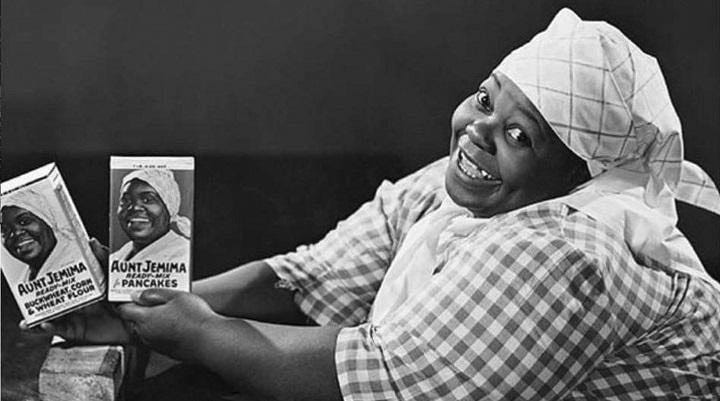

The first time I saw the Aunt Jemima episode of “A Different World” (formally titled “Mammy Dearest”), I was 10 years old. In the early ‘90s, “yo mama” jokes about being “so Black,” “so fat” and “so dumb” were the norm, so Kim (played by Charnele Brown) getting upset with Ron Johnson (played by Darryl M. Bell) made me raise an eyebrow.
Although I did not find the appeal in “yo mama” jokes, I wasn’t offended by them. I just thought they were painfully corny, which is the same energy I have for anybody telling a “dad joke” today. Whenever I occasionally watch Nick Cannon’s “We Playin’ Spades,” I immediately skip past the “yo mama” joke section and go straight to him and co-host Courtney Bee playing cards.
Recommended Read: “No, not all Black people are amused by ‘yo momma’ jokes ~ That one day I wondered was my English degree a waste of money”
Pre-teen me didn’t have a clue what “fat phobia” meant nor did my peers. I went through a chubby stage in fifth grade but slimmed down again by seventh and eighth grade. In high school, I was shapely but more of a “medium” build. During those years, I’d hear those kind of jokes between my peers all the time. Sometimes they hurt feelings. Other times we’d laugh along or bark back equally cutting insults.
_(14138054242).jpg)
The boat dock, Tennessee and dark girls
There was one time when I wasn’t sure if a specific set of observations was meant to be insulting or complimentary. I am usually described as “brown-skinned” instead of “dark-skinned” by others. However, after a boiling hot summer I spent in Tennessee at 11 years old, I heard an abnormal amount of “jokes” about being “so dark” and “girl, you got dark.” It was an awkward reality check about how one shade of deeper brown can shift certain people’s attitudes about you — and it highlighted a level of colorism I wasn’t used to.
ADVERTISEMENT ~ Amazon
As an Amazon affiliate, I earn a percentage from purchases with my referral links. I know some consumers are choosing to boycott Amazon for its DEI removal. However, I enjoy promoting intriguing products from small businesses, women-owned businesses and Black-owned businesses who still feature their items on Amazon. All four of my Substack publications include a MINIMUM of one product sold by a VERIFIED Black-owned business. If you still choose to boycott, I 100% respect your decision.

As an adult in my early 20s, I was deeply disappointed when a co-worker “friend” told me to “stay out of the sun ‘cause you getting too black.” Eleven-year-old me in a grown woman’s body was instantly triggered and took that as a personal challenge.
I left work that day (as a switchboard receptionist), took off my dress, put on shorts and a tank top, and spent the entire day near a boat dock with the sun beaming on me. It was my middle finger to anybody at all telling me I was “too dark.” And I kept going back to that same boat dock until I was finally her shade of brown — about two shades darker and my Tennessee complexion. And I made sure to model every bright and light dress in my closet at work, complimenting my skin tone. That co-worker never said another word of criticism to me, but that friendship ended the first boat dock day.
ADVERTISEMENT ~ Amazon
As an Amazon Affiliate, I earn a percentage from purchases using my referral links.

Recommended Read: “Productively teaching black children about colorism ~ When I found out my cousin favored light-skinned women”
The blackface scene Cree Summer didn’t want to do
There was one other scene of that same episode of “A Different World” that I had no knowledge of: blackface. When Freddie Brooks (played by Cree Summer) crawled out of Kim’s dress, my eyes lit up at her wearing this black makeup on her face and loudly singing, “Someone’s in the kitchen with Dinah. Someone’s in the kitchen, I know.”
I cracked up laughing at Freddie’s antics and immediately started mimicking her. I already loved to dance, so I copied all of the exaggerated moves plus the accent and the wide grin. I also memorized the dance routine from Lena James (played by Jada Pinkett Smith) and admired how pretty Brown looked while reciting Nikki Giovanni’s “Ego Tripping.” For some odd reason, I was still stuck on Freddie in (what I didn’t know was) blackface. (In an episode of “Hillman Files,” Summer talked about how much the cast loathed this episode but learned to love it later on.)
The night that episode aired, I repeatedly sang that song, unknowingly working my light-skinned mother’s nerves. Initially, she ignored me while I sang about Dinah. But I sang the song and did the exaggerated dance one too many times. Finally, she turned to look at me, glared at my performance, and said, “You don’t even know what that means!”
I made eye contact with her, saw the look of repulsion on her face and stood straight up. A chill ran through me.
“What does it mean?” I asked, completely confused about how me enjoying the TV episode became so tense.
She shook her head and said, “Never mind.”