
5 smart devices worth buying and many that should be skipped
Smart devices worth the investment and wearable technology improving Black health

This post is part of a series entitled “BlackTechLogy.” Click here for the archived posts.
I didn’t want to give up my old scale. CR 2032 batteries seem to last far longer than AAA and AA batteries, and I just wanted my scale to tell me how much I weighed and be done with it. But after the scale told me I weighed more than 20 pounds than what I knew I weighed, even after replacing the battery, I knew I had to sing the Boyz II Men song in KevOnStage’s off-key voice. This was the “End of the Road” for my handy digital scale after at least eight years (possibly longer).
I always wanted a digital scale that could report my body mass index (BMI). This scale (featured below) seemed pretty cool, so I bought it. After spending entirely too much time figuring out how to download and connect the mobile app to my scale, I stepped barefoot on the four silver squares and cracked up laughing. Not only were my 44-year-old eyes told that I have the metabolic age of a 51-year-old, but this scale hit me with a bunch of other numbers that made me shake my head in amusement.
ADVERTISEMENT ~ Amazon
As an Amazon Affiliate, I earn a percentage from purchases using my referral links.


There are some smartphone devices that are not for the faint of heart. Because I already knew there was room for improvement in my fitness regimen — and MyFitnessPal and Google Fit stats get the scoop on my daily activities — I wasn’t slightly surprised by some of these numbers. I measure all of my major body parts every Sweeper Sunday so I knew the truth before this scale did.
While I can still wear all the clothes in my closet (minus a handful of dresses), they fill out a little differently. And this GE Smart Scale is one smart device that actually makes sense for my lifestyle goals. However, that doesn’t mean all smart devices are logical to buy.
ADVERTISEMENT ~ Amazon
As an Amazon Affiliate, I earn a percentage from purchases using my referral links.

Questionable smart devices: Is this a want or a need?
It absolutely sounds cool to walk into a smart home. The lights turn on automatically, appliances respond to voice commands and devices help you stay connected without lifting a finger. It’s like an episode of “Demascus,” minus visiting different time periods.
ADVERTISEMENT ~ Amazon
As an Amazon Affiliate, I earn a percentage from purchases using my referral links.


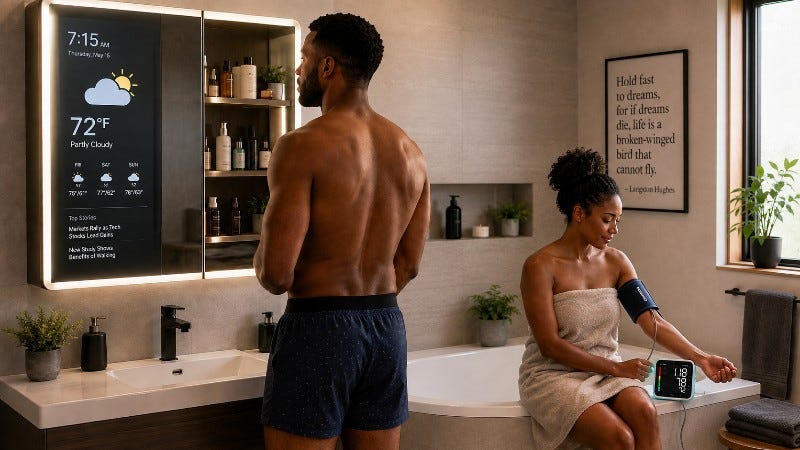
But not every internet-connected gadget is a worthwhile investment. Some solve real problems, while others create new ones by adding unnecessary costs, subscription fees or security risks. While a smart mirror looks fancy with its programmable lights, a foggy mirror resolves itself as soon as you open the bathroom door. I do like the idea of not having to carry my smartphone around to watch the news each morning and immediately look up the weather without worrying about accidentally dropping my phone in the toilet though.
However, I’ve yet to find a need for a smart refrigerator, smart trash can or smart toaster. And as a dog walker, I distinctly remember a dog with a pet smart feeder who rarely ate his food so kibble was spilled all over the floor. While the dog owner, who regularly traveled for business, probably thought this was a great investment, that would only be the case for a hungrier dog.
I prefer Just Egg vegan eggs, so a smart egg tray is not on my radar either. And although coffee is part of my morning routine, I’m not totally sold on a smart coffee maker.
ADVERTISEMENT ~ Amazon
As an Amazon Affiliate, I earn a percentage from purchases using my referral links.


I already have a subscription for instant coffee, plus delayed brewing has been an option for decades without requiring an internet connection or another smartphone app. Some smart devices are already doing what we need them to do — without the Wi-Fi connection.
ADVERTISEMENT ~ Amazon
As an Amazon Affiliate, I earn a percentage from purchases using my referral links.

So when tech-loving homeowners consider what smart devices make the most sense in their households, one of the easiest ways to decide is to ask one question: Does this smart device improve my health, safety or quality of life? If the answer is no, keep your money in the bank.
ADVERTISEMENT ~ Amazon
As an Amazon Affiliate, I earn a percentage from purchases with my referral links. I prioritize featuring intriguing products from small businesses, women-owned businesses and Black-owned businesses. All five of my Substack publications include a MINIMUM of one product sold by a VERIFIED Black-owned business.


Here are eight smart devices that arguably would make your home and lifestyle better, and the price for them can be defended.
1. Wearable fitness technology
For people who already use wearable health technology, such as smart watches and fitness trackers, choosing compatible smart home devices can make those wearables even more useful. That’s especially relevant for Black folks, who experience higher rates of hypertension, heart disease and Type 2 diabetes than many other populations. While wearable technology isn’t a replacement for medical care, it can provide valuable health insights that become even more useful when paired with the right smart home ecosystem.
ADVERTISEMENT ~ Amazon
As an Amazon Affiliate, I earn a percentage from purchases using my referral links.

2. Smart water bottles
There have been countless articles pointing out the myth of requiring eight glasses of water per day. But water-rich foods (mainly fruits and vegetables) contribute to the average person's fluid intake as well. For example, a carrot is 87% water, and broccoli is over 90% water. Anyone with a decent diet can get that “eight glasses” goal in.
Then again, I was shocked when a family member’s 21-year-old friend declared he never eats fruits and vegetables because “they don't taste good.” The vegetarian in me bolted to my kitchen blender to make a colorful smoothie for this guy, whose only meal that day was takeout French fries and a platter of fried fish. I put the smoothie in a wine glass to intrigue him even more. He looked shocked at how much he enjoyed it, and I was shocked at how easily he was dodging water for two decades. For that reason alone, some people really do need a reminder to drink more water if they protest water-rich foods. Or, find a tumbler and promise yourself you’ll empty it by the end of each day.
ADVERTISEMENT ~ Amazon
As an Amazon Affiliate, I earn a percentage from purchases using my referral links.

3. Smart plant monitors
Even if you don’t have a greenhouse, if you have a black thumb or particularly delicate plants, plant monitors may help you understand how to take care of your various plants all at once. While most houseplants don’t require Bluetooth soil sensors and smartphone alerts to thrive, if you don’t know what you’re doing, it couldn’t hurt.
ADVERTISEMENT ~ Amazon
As an Amazon Affiliate, I earn a percentage from purchases using my referral links.

4. Smart thermostats
Maintaining a comfortable indoor temperature can improve sleep and reduce energy costs. Thermostat scheduling and wearable insights can help you determine which bedroom temperatures produce the most restful sleep. Additionally, smart thermostats can learn your schedule, automatically heat or cool your home when you’re there, and then reduce energy use when you’re away.
While I removed both of my electric baseboard heaters after one caught on fire, for those who still use them, there are line-voltage smart thermostats made specifically for electric baseboard heaters. These allow you to program schedules, adjust temperatures remotely (on some models) and potentially reduce energy use.
Recommended Read: “Electric baseboard heater on fire, speedy lesson in how to use a fire extinguisher ~ Once again, I learned why I should always listen to my dog”
For multi-units that use baseboard units connected to a boiler, you may be able to use a standard smart thermostat, but it highly depends on how the heating system is wired. Compatibility varies, and an HVAC technician or a heating contractor can confirm whether your thermostat wiring is compatible with a smart thermostat. (Side note: A boiler inspector typically handles safety inspections, maintenance or code compliance rather than thermostat upgrades.)
5. Smart blood pressure monitors
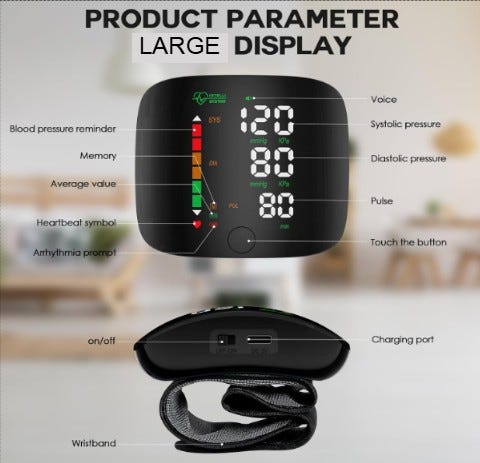
Connected blood pressure monitors can synchronize with smartphone apps that also collect wearable data such as activity levels, heart rate and sleep. Combining these measurements can make it easier to recognize long-term trends and share accurate records with healthcare providers.
ADVERTISEMENT ~ Amazon
As an Amazon Affiliate, I earn a percentage from purchases using my referral links.
The best smart home isn’t necessarily the one with all of the latest and greatest connected devices. It’s the home where technology serves a clear purpose.
Wearable health technology already provides valuable information about physical activity, sleep patterns, heart rate and overall wellness. And smart home gadgets that solve a real problem can improve your daily life instead of just making you look like you watched one too many episodes of “The Jetsons.” As long as you avoid trends and focus on smart tech that you can honestly say you’ll use a year from now, buy away.

Did you enjoy this post? You’re also welcome to check out my Substack columns “AAC-PACK,” “Black Girl In a Doggone World,” “BlackTechLogy,” “Homegrown Tales,” “I Do See Color,” “One Black Woman’s Vote” and “Window Shopping” too. Subscribe to this newsletter for the weekly posts every Wednesday. Thanks for reading!